How to Start a Car Detailing Business and Open Your First Shop
Blogging Team
October 24, 2026
You know the work. Maybe you've spent years laying film and leveling coatings in someone else's bays, and now you want your own name on the sign.
Opening a car detailing business with a physical shop comes down to four decisions, made in order: what you'll sell, whether the math works, how you'll set up legally, and how buyers will find you before opening day.
Get the order wrong, and you can end up with a signed lease and no plan to cover it.
In this article, you'll learn how to start a car detailing business one decision at a time, from your service mix to your opening-day Google setup.
TL;DR: How to Start a Car Detailing Business
Here's the launch plan in five steps:
- Open with the two or three high-ticket services you install best, then add more as demand proves out.
- Research local demand and pricing, then run the break-even math before you sign a lease.
- Clear zoning, business structure, licenses, and insurance before you buy equipment.
- Set up bays, lighting, and staffing around your launch services only.
- Build your Google Business Profile and website in the months before you open.
What Should a New Detailing Shop Sell First?
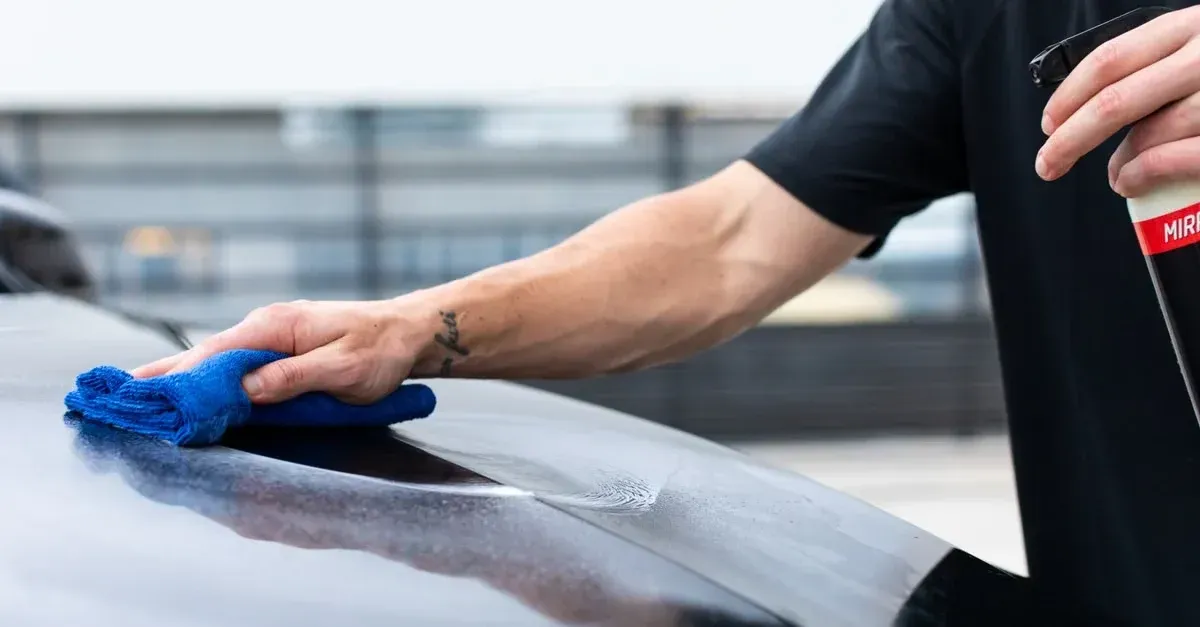
Sell the two or three high-ticket services you already install best. For most shops, that's some mix of window tint, PPF (paint protection film), ceramic coating, and paint correction.
You don't need all four on day one. Your launch services shape the bays you build, the people you hire, and the buyers you market to.
Use these filters to pick your opening lineup:
- Start With What You Install Best: Your first-year reputation rides on every single job. Open with the services you or your lead installer can deliver with zero comebacks.
- Favor High-Ticket Work: Coating and film packages are what cover rent and payroll. Buyers for that work research hard before they call, and winning high-ticket detailing clients takes a different playbook than chasing volume.
- Pair Services That Sell Together: Paint correction before a ceramic coating, or tint alongside a PPF front end, raises the average ticket from the same customer.
- Pick Your Product Brands Early:
Ask the film and coating brands you plan to carry about their installer training and warranty requirements. Quality-focused buyers often ask about both before they book.
How Do You Know if a Detailing Shop Will Pay for Itself?
A great installer can still open a shop that loses money. The numbers decide whether the doors stay open past the first slow season.
Two checks answer the question before you sign anything:
What Local Market Research Should Tell You
The SBA's guide to planning your business frames market research around demand, market size, income levels, location, saturation, and pricing.
For a detailing shop, that turns into a few practical questions:
- Demand: Who within a reasonable drive owns the kind of vehicles your buyers protect, and how often do they ask about coating, tint, or PPF?
- Competition: Which shops already show up on Google for your launch services, and what do their reviews say they get wrong?
- Pricing: What do nearby shops charge for comparable packages? Call a few and request quotes like a buyer would.
- Classification:
Detailing shops fall under
NAICS code 811192, Car Washes. The SBA notes that knowing your code can help with market analysis, insurance, and taxes.
How Break-Even Math Works for a Detailing Shop
The SBA's break-even formula is simple: fixed costs divided by (price minus variable cost per unit). For a shop, one unit is one booked job.
Here's a worked example with made-up numbers. Swap in your own:
| Line Item | Example Figure |
|---|---|
| Monthly fixed costs (rent, payroll, insurance, software, utilities) | $18,000 |
| Average ticket per job | $900 |
| Variable cost per job (film, coating, supplies, card fees) | $250 |
| Break-even jobs per month | 28 (27.7, rounded up) |
That's about seven jobs a week before the shop earns a dollar of profit. If your research says the market won't support that volume at that ticket, change the plan before you sign the lease.
When you total startup costs, the SBA suggests counting at least one year of monthly expenses. Five years is its ideal.
Which Legal and Setup Steps Come Before Opening Day?
Paperwork is dull. Skipping it is expensive.
The SBA's guide to launching a business covers each step below in detail.
Work through them in roughly this order:
- Confirm Zoning Before You Sign a Lease: The SBA notes that local zoning ordinances can restrict or ban certain businesses. Ask your city planning office whether the space allows automotive service work.
- Ask How Wash Water Must Be Handled: Drainage rules for vehicle wash water vary by city. Check with your local water or stormwater authority before you plan the build-out.
- Choose a Business Structure: According to the SBA, an LLC (limited liability company) protects your personal assets in most instances. Talk through the options with an accountant or attorney before you register.
- Register Your Name and Get an EIN: Check your name against state records before you print anything, and use this guide to name a detailing business for the branding side. Your EIN (Employer Identification Number) is free from the IRS, and the SBA warns against sites that charge for it.
- Apply for Licenses and Permits: Detailing isn't on the SBA's list of federally licensed activities. Most of what you need comes from your state, county, or city.
- Get the Right Insurance: The SBA lists workers' compensation, unemployment, and disability insurance as required for businesses with employees, and states can require more. Ask your agent about general liability, commercial property, and garagekeepers coverage for customer vehicles in your care.
- Open a Business Bank Account: Keep shop money separate from personal money from the first transaction. The SBA says you can open one once you have your EIN.
What Equipment and Team Does a Multi-Service Shop Need?
Equipment lists for detailing run long. Buy for the services you launch with, then add as demand proves out.
Plan around these four areas:
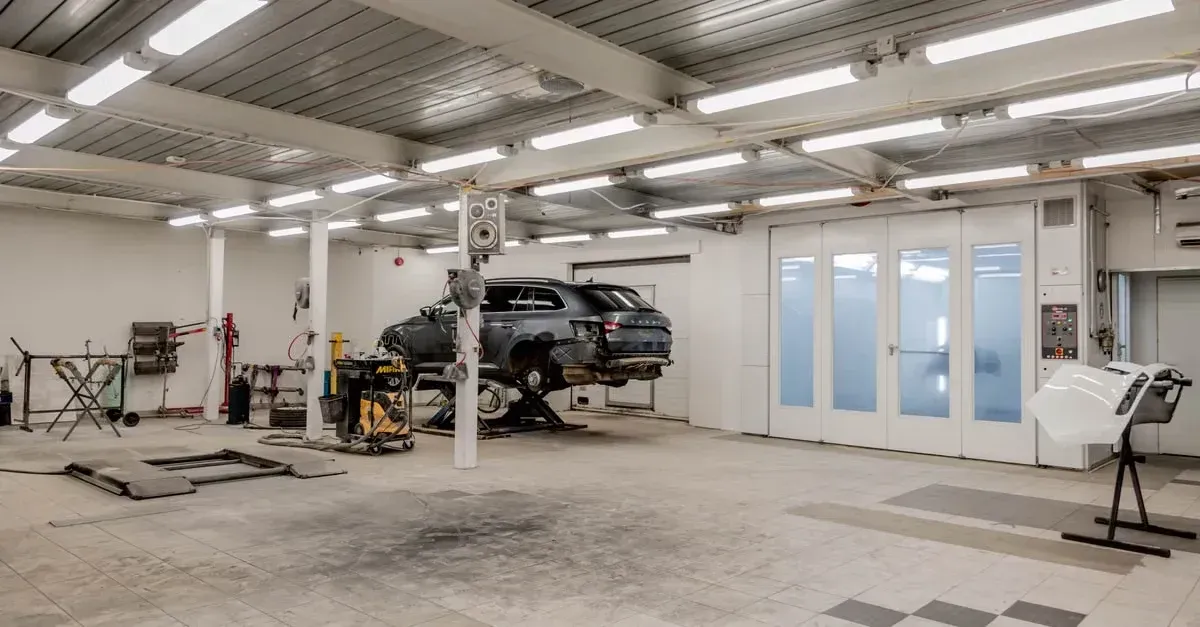
- Bay Layout: Film and coating work need clean, enclosed, well-lit bays. Keep them away from wash and decon areas where water and grime fly.
- Inspection Lighting: Paint correction and coating jobs depend on how well your team can see defects. Budget for proper lighting before you budget for extras.
- Tools and Opening Inventory: Price polishers, film-cutting tools, and starting product stock against your launch services only. Everything else can wait for proof of demand.
- People:
Decide who installs, who answers the phone, and who follows up on quotes. In plenty of new shops, the owner does all three for a while, and the phone usually loses.
Why Marketing Has to Start Before the Doors Open
Many new owners treat marketing as a post-launch task. By then, the first month of rent is already due.
Three reasons to start early:
- Buyers Research First: People spending real money on a coating or PPF look a shop up before they call. A shop with no profile, no site, and no photos is invisible to them.
- Google Lets You Show Up Early: Google Business Profile Help says you can add a future opening date up to one year ahead. Once you verify, your profile appears on Google 90 days before that date.
- Reviews Can't Start Until You Open: Google blocks customer reviews and photos on your profile until the business is officially open. Your review ask needs to be ready on day one.
What to Set Up Online Before Your Grand Opening
Your online setup is the part of the launch that keeps working while you're in the bay.
Line these up in the 90 days before you open:
- Claim Your Google Business Profile at the Shop Address: Verify it, set your opening date, and post build-out photos as the space comes together. Your Google Business Profile for detailers is often where a buyer makes first contact.
- Launch a Website With a Page Per Service: Give each launch service its own page so Google can match it to searches like "ceramic coating near me." Separate pages give Google a clear answer for each search.
- Make Quote Requests Fast: Put your phone number and a short quote form where someone on a phone sees them without scrolling. Ask only for the vehicle, the service, and contact details.
- Write Your Review Request Now: Draft the text you'll send after pickup, so your first customers become your first reviews.
- Decide How You'll Buy Early Traffic: Paid ads can make the phone ring in week one while organic visibility builds. Weighing
SEO versus paid ads starts with your launch budget and how fast you need jobs.
At Detailers Roadmap, we build websites for detailing, tint, PPF, and ceramic coating shops, and the months before opening are one of the best times to bring us in. Each build starts from a Skin, our term for a design template made for this industry, so your site launches on a layout already shaped around how detailing buyers shop.
Every site also includes Foundational SEO, the baseline on-page setup like H1s, meta descriptions, and image alt text, so your service pages are ready for Google from launch. We publish our website pricing openly, which makes it one line of your startup budget you can fill in today.
Schedule a launch-planning call with us, and we'll map out what your site needs before opening day.
Frequently Asked Questions About Starting a Car Detailing Business
Here are quick answers to the questions owners ask most when opening a shop:
How Much Does It Cost to Start a Car Detailing Shop?
It depends on your lease, build-out, and launch services, so any single number you find online is a guess.
The SBA's startup cost worksheet helps you separate one-time costs, like equipment and permits, from monthly costs, like rent and payroll.
Do You Need a License to Start a Car Detailing Business?
Yes, in most places. Requirements vary by state, county, and city, so check with each office before you open.
When Should a New Detailing Shop Hire Its First Installer?
When your own install hours cap the jobs you can book.
If your break-even number needs more jobs a week than you can install alone, put the hire in the plan before you open.
How Long Does It Take a New Detailing Shop to Turn a Profit?
There's no standard timeline. Your break-even number tells you how many jobs you need per month, and tracking against it each month shows how close you are.
Is It Better to Buy an Existing Detailing Shop?
It can be. The SBA notes that an existing business can come with a customer base, known operating expenses, and trained employees, but have an attorney and accountant review the books first.
The Bottom Line on Starting a Car Detailing Business
A detailing shop rarely struggles because the owner can't do the work. It struggles when the owner figures out the services, numbers, paperwork, or lead flow too late.
Pick your launch services, run the break-even math, clear the legal setup, and get found on Google before the first car rolls into the bay. That order protects your cash while the shop finds its feet.
At Detailers Roadmap, we take the marketing off a new owner's plate with a done-for-you system: we build the site, keep it updated, and handle the details while you train installers and book jobs. Ongoing website updates are part of our monthly partnership, so your site can grow as you add services like PPF or paint correction.
Our websites and SEO work are built around tint, PPF, and ceramic coating shops, so the advice you get comes from inside the industry.
Book your Detailers Roadmap demo, and we'll sketch out your shop's first year of marketing.