After years of laying film for another shop, you trust your own work. Customers trust it too, because they already ask for you by name.
So the next step feels obvious: a bay door with your own name on the sign above it.
Learning how to start a window tinting business comes down to a handful of decisions you make before the first car rolls in. Get the building, paperwork, compliance process, and online groundwork right, and the shop opens with momentum.
In this article, we walk through each of those decisions in the order you'll face them, from choosing a space to getting found by local drivers.
TL;DR: How to Start a Window Tinting Business
Starting a window tinting business follows six steps:
- Choose a shop location that suits install work.
- Set up your business structure, registration, licenses, and insurance.
- Build state tint law compliance into every install.
- Launch your website and Google Business Profile before opening day.
- Choose your film lines, tools, and pricing tiers.
- Spend your first months building reviews and tracking leads.
Why the Building Matters When You Open a Tint Shop
Tint is precision install work. The room you work in shows up in the finished job.
A dedicated shop gives you cleaner installs, more customer trust, and a spot on the map:
- Cleaner Installs: Dust and airborne debris are a common cause of contamination under film. An enclosed, well-lit bay gives your installers control over the conditions.
- Customer Trust: A buyer handing over the keys to a car they care about wants to see a real business. A clean waiting area and a visible install bay answer that question before you say a word.
- Map Visibility: According to Google, businesses that show their address on a Business Profile should keep
permanent signage with the business name at that address. A staffed storefront with a sign meets that standard from the start.
What to Look for in a Tint Shop Location
The lease is one of the biggest commitments you'll make before opening. It's also the hardest one to undo.
Check these five things before you sign a lease:
- Confirm the Zoning: The U.S. Small Business Administration (SBA) notes that local zoning ordinances can restrict or ban certain kinds of businesses in an area. Call your city planning office before you sign anything.
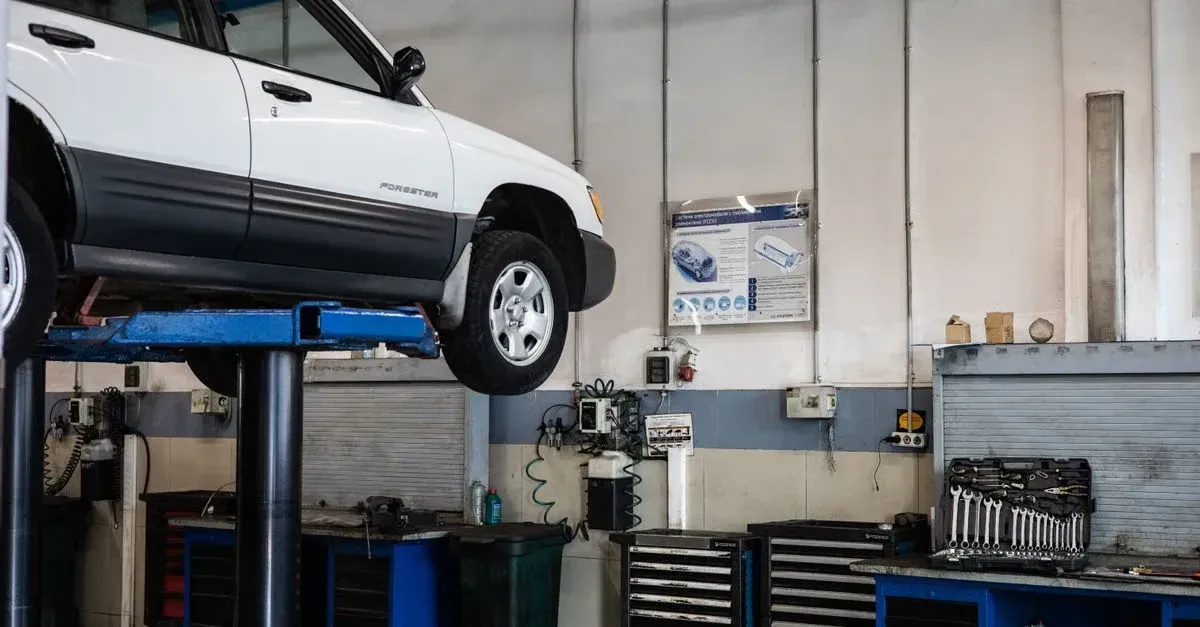
- Inspect the Bay Conditions: Look for a space you can keep enclosed, clean, and well-lit. Ask about heating, cooling, and dust sources next door, such as a body shop or a gravel lot.
- Plan for Signage: Find out what the landlord and the city allow on the building. Your sign works for drive-by traffic and for your Google listing.
- Check Drop-Off and Parking: Customers often leave a vehicle for several hours. Make sure there's room for cars waiting on an install and for the people picking them up.
- Leave Room for More Services:
A second bay or open floor space lets you add paint protection film (PPF) or ceramic coating later. Customers who trust you with their glass are a natural audience for both.
What Legal Setup a New Tint Shop Needs
Nobody opens a tint shop for the paperwork. Skipping it still causes more trouble than any bad cut.
The SBA lays out the core launch steps in its guide to launching a business.
For a tint shop, those steps come down to six items:
- Business Structure: The SBA notes that an LLC (limited liability company) protects your personal assets, such as your house and savings, in most instances. That protection matters in a business where customer vehicles sit in your bays every day.
- Business Name: Spend real time picking a business name that reads well on a sign, a website, and a Google listing. Changing it after launch means redoing all three.
- Registration: Register your entity with the state, plus any DBA (doing business as) name your area requires. According to the SBA, registration costs less than $300 in most cases, though fees vary by state and structure.
- Federal Tax ID: Your EIN (employer identification number) is the federal tax ID you need to hire staff and open a business bank account. The SBA points out that the IRS application is free.
- Licenses and Permits: Requirements change by state, county, and city. Check your Secretary of State's website and your local government before you sign a lease.
- Insurance:
The SBA lists general liability and commercial property coverage among the common policies for small businesses. Ask a licensed commercial agent how your coverage handles damage to customer vehicles while they're in your care.
Rules differ from state to state. Run your setup past an accountant or attorney before you file anything.
How to Build Tint Law Compliance Into Every Install
Every state sets its own limits on how dark window film can be. Some states also put specific duties on the installer.
Limits are usually written as VLT (visible light transmission), the percentage of light the film and glass let through. They often differ by window position.
Florida, for example, requires each installer to affix a compliance label to the inside left door jamb. Under
Florida Statutes section 316.2955, that label must state the film's trade name and the installer's business name.
These five habits keep every install inside your state's limits:
- Read Your State's Statute Directly: Go to the state legislature or motor vehicle agency itself. Online summary charts are easy to find, but they can fall out of date.
- Meter Before and After: Check the factory glass before you start. Confirm the finished window with a light meter before the car leaves.
- Stock Any Required Labels: If your state requires a compliance sticker, keep labels on hand. Make applying one a line item on your delivery checklist.
- Document Every Job: Record the film, the shade on each window, and the meter reading on the invoice. That record protects you if a customer comes back after a traffic stop.
- Train the Front Counter: Whoever quotes jobs should know the legal limits. A customer asking for an out-of-spec shade deserves a straight answer before the appointment is booked.
Why a New Tint Shop Needs a Website and Google Profile Before Opening
Across the tint and PPF shops we build websites for, we see the same pattern. Buyers compare shops online long before they call one.
Having your website and Google profile live before opening day helps in three ways:
- Early Searchers Find You: A verified profile with your address, hours, and services puts the shop on the map when nearby drivers search for tint.
- Your First Jobs Become Reviews: A new listing with zero reviews looks empty. Every customer in the first few weeks is a chance to change that.
- Buyers Get Answers Before They Call:
Tint buyers want film options, your state's limits in plain English, and a quick way to request a quote. A site built with the
features a tint website needs answers all three before they pick up the phone.
You can handle a few basics yourself, like claiming the profile and asking every customer for a review. Ranking above established shops takes specialist search engine optimization (SEO) on the profile and the website together.
The two have to agree on your name, services, and hours. That's why
Google Business Profile optimization and website work belong in the same launch plan.
At Detailers Roadmap, we're a marketing and web design partner for brick-and-mortar tint, PPF, and ceramic coating shops. A new shop is the best time to get the website foundation right, before bad habits and a cheap template set in.
Every website we launch is designed to turn visitors into quote requests. Each one includes Foundational SEO, the on-page basics like H1s, meta descriptions, and image alt text, so Google can read your service pages from day one.
We also publish our website pricing openly. You can plan the cost into your startup budget before you ever get on a call.
Our team handles the design, the build, and the setup. That leaves you free to finish the build-out and stock your film.
Schedule a demo with our team, and we'll show you what your new shop's website needs before opening day.
How to Choose Film, Tools, and Pricing for a New Tint Shop
These choices set your startup costs and your margins on every car.
Make these three decisions in order, since your equipment and pricing depend on the film you choose:
Choose Your Film Lines and Warranties
Pick one or two film lines you can explain and stand behind. Many shops offer tiers, such as dyed, carbon, and ceramic film, so customers can choose by budget and heat rejection.
Before you open a distributor account, ask how the manufacturer warranty works. Find out exactly what you must do to register an install.
Pick a Cutting Method and Equipment
The biggest equipment decision is plotter cutting versus hand cutting. A plotter cuts vehicle-specific patterns, though it adds an upfront cost and often a pattern subscription.
Hand cutting keeps startup costs lower. It leans harder on installer skill, especially with premium film.
Whichever method you choose, every new shop needs three more basics:
- Light Meter: Use it for the before-and-after compliance checks on every job.
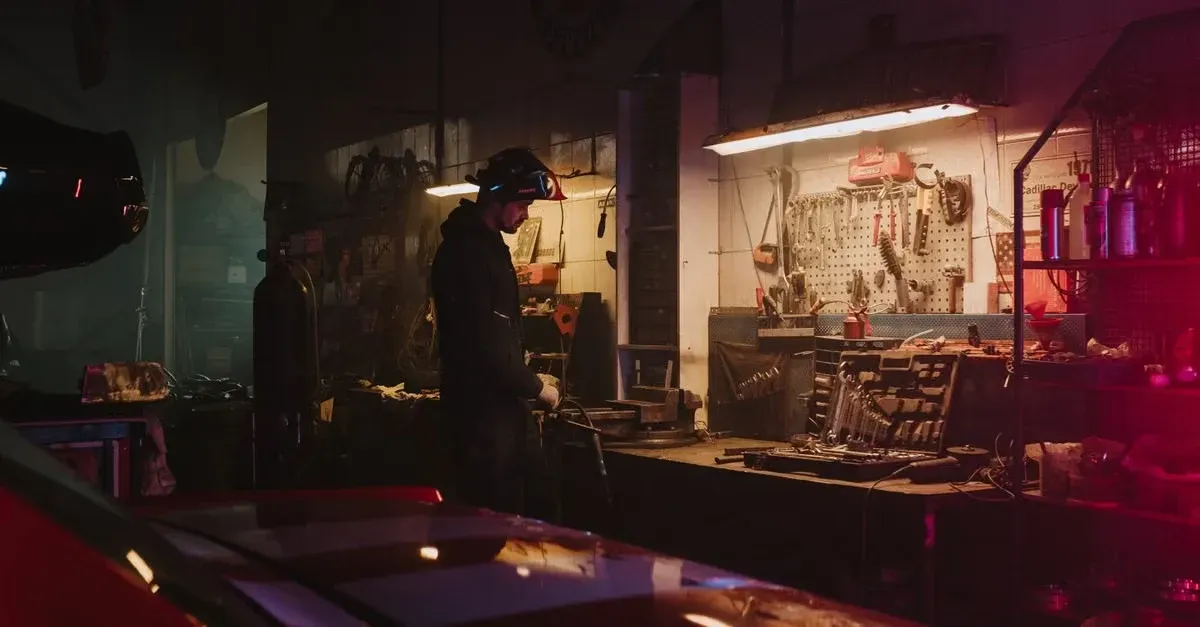
- Install Tools: Stock squeegees, heat guns, blades, and spray bottles in duplicate so a lost tool never stops a job.
- Shop Software: Choose a booking and invoicing system that records the film, shades, and meter readings for each vehicle.
Set Pricing Tiers That Protect Your Margin
Price by film tier and vehicle type. Build in your real costs: film, installer time, and shop overhead.
Present good, better, and best options at the counter. Many customers step up from the entry film once they understand the heat rejection difference.
Resist matching the cheapest shop in town. A new shop that competes on price trains its customers to shop on price.
What the First Months After Opening Should Focus On
Opening day starts the clock on everything that builds a steady lead flow.
These four habits build that lead flow in your first few months:
- Ask Every Customer for a Review: Ask at delivery, when the customer first sees the finished car. Text the review link the same day.
- Track Where Every Lead Comes From: Ask each caller how they found you, and log the answer. After a few months, you'll know which channels earn their keep.
- Photograph Your Work: Shoot finished cars in daylight for your website and profile. Real installs from your bays build more trust than stock images.
- Revisit Your Pricing: Compare actual install times and film use against your quotes. Adjust the tiers before small losses become a habit.
Once these habits run on their own, the next stage is growing your tint business with more reviews, sharper service pages, and higher-ticket work.
Frequently Asked Questions
These are the questions new tint shop owners ask most often:
How Much Does It Cost to Start a Window Tinting Business?
It depends mostly on your lease, your build-out, and your opening film inventory. No single number fits every market.
Write a startup budget that covers rent and deposits, equipment, film, insurance, licenses, and your website before you commit to a space.
Do I Need a License to Tint Car Windows?
Yes, in most cases. The SBA notes that most small businesses need a combination of licenses and permits.
Requirements vary by state and city. Check both before you open, since some states also set rules aimed at tint installers.
Do I Need a Plotter to Open a Tint Shop?
No. Many experienced installers hand-cut film.
You can add a plotter once your job volume justifies the cost.
Can I Handle SEO for My New Tint Shop Myself?
Only the basics. You can claim your Google Business Profile, keep your hours current, and ask for reviews.
Outranking established shops takes technical fixes, service pages, and steady local work. That level of work calls for SEO built for tint shops from a team that does it every day.
The Bottom Line
Customers already ask for you by name. Your own shop puts that name on the sign, on the map, and at the top of every invoice.
Choose a space that supports clean installs, and settle the legal setup early. Build compliance into every job, then get online before the doors open.
At Detailers Roadmap, we stay with tint shops long after launch day. Our monthly partnership keeps your website current as you add film lines, change hours, or expand into PPF.
Our ongoing local SEO service builds your visibility in local search as the shop grows. When something on the site needs to change, our US-based support team handles it.
Book a Detailers Roadmap demo, and we'll walk you through the website and local SEO plan we'd build for your new shop.